La respuesta breve es sí. Alquilar una propiedad en Portugal como propietario extranjero es totalmente legal, está plenamente regulado y resulta cada vez más atractivo tras las reformas fiscales de 2026 del país.
La pregunta más útil es cómo hacerlo de la forma más eficiente y rentable. Portugal ofrece dos modelos de alquiler distintos, cada uno con diferentes perfiles de rentabilidad, exigencias de gestión, tratamientos fiscales y requisitos de elegibilidad. Elegir el más adecuado, o la combinación adecuada de ambos, depende de tus objetivos de inversión, del tiempo que quieras pasar tú mismo en la vivienda y del grado de implicación con el que quieras gestionarla.
Esta guía recoge todo lo que los propietarios extranjeros deben saber sobre el alquiler de inmuebles en Portugal.
¿Tienen los no residentes derecho a alquilar una vivienda en Portugal?
Sí. Tanto los propietarios extranjeros como los nacionales tienen pleno derecho legal a alquilar apartamentos, villas y casas de vacaciones en Portugal. No existe ninguna restricción basada en la situación de residencia o la nacionalidad. El mercado del alquiler en Portugal está abierto a los propietarios internacionales bajo el mismo marco normativo que se aplica a los residentes portugueses, con los mismos derechos y las mismas obligaciones.
En la práctica, existen dos estrategias principales de alquiler, cada una con sus propios requisitos normativos, tratamiento fiscal y perfil financiero:
Alquilera largo plazo (1 año o más):un contrato de alquiler formal que ofrece ingresos estables y predecibles con una implicación operativa mínima.
Alquiler a corto plazo (Alojamento Local):un modelo orientado al turismo con un mayor potencial de rentabilidad, que requiere registro y una gestión más activa.
Ambas están totalmente reguladas y exigen el cumplimiento de los procedimientos administrativos, la normativa fiscal y, en algunos casos, las normas de seguridad y de seguros.
¿Cómo funciona el régimen de «Alojamento Local» en Portugal?
El régimen de «Alojamento Local» (AL), que literalmente significa «alojamiento local», es el marco legal de Portugal para los alquileres turísticos a corto plazo. Abarca los inmuebles anunciados en plataformas como Airbnb, Booking.com y canales similares, así como los alquileres vacacionales que se comercializan directamente.
Portugal sigue siendo uno de los destinos más visitados de Europa, con más de 33 millones de huéspedes registrados en alojamientos turísticos en 2025 y una fuerte demanda durante todo el año en Lisboa, Cascais, Comporta, Oporto, el Algarve y la Costa de Plata. Para los inversores, esto supone una oportunidad clara y duradera.
En ubicaciones privilegiadas, los alojamientos locales bien situados pueden alcanzar altas tasas de ocupación, tarifas por noche de gama alta y un sólido rendimiento estacional, especialmente en los mercados costeros, donde la demanda internacional alcanza su punto álgido en verano, pero se mantiene activa durante todo el año.
¿Cuáles son los requisitos para gestionar un «Alojamento Local» en Portugal?
Para operar legalmente bajo el régimen de AL, los propietarios deben:
- Inscribir el establecimiento en Turismo de Portugal a través del portal oficial
- Obtener un número de licencia oficial de AL, que deberá figurar en todos los anuncios y comunicaciones.
- Cumplir con los requisitos de seguridad, incluidos los equipos de protección contra incendios y las medidas de primeros auxilios
- Contratar un seguro adecuado para el alojamiento turístico
- Cumplir con las obligaciones de registro y declaración fiscal aplicables
La normativa local varía según el municipio. En Lisboa y Oporto, la concesión de nuevas licencias de alquiler en determinadas zonas de alta densidad ha estado sujeta a restricciones en los últimos años, por lo que es importante comprobar la situación actual de una propiedad concreta antes de dar por sentado que el registro del alquiler es sencillo. En las zonas costeras fuera de las grandes ciudades, el proceso suele ser más accesible.
Para los propietarios que deseen gestionar directamente las operaciones o delegarlas en una empresa profesional de gestión inmobiliaria, el alquiler a corto plazo bajo el régimen AL puede ofrecer unos ingresos brutos considerablemente superiores a los de los modelos tradicionales de alquiler a largo plazo.

¿Cuáles son las normas que rigen los alquileres a largo plazo en Portugal?
Para los propietarios que buscan un enfoque más pasivo, el alquiler a largo plazo sigue siendo una opción muy atractiva, que ha ganado considerablemente en interés económico tras las reformas del mercado inmobiliario de Portugal de 2026.
Entre las características típicas del alquiler a largo plazo en Portugal se incluyen:
- Contratos de arrendamiento con una duración de entre 1 y 5 años, o incluso más
- Ingresos mensuales estables y predecibles con una gestión diaria mínima
- Alquileres fijos o ajustados anualmente en función de los índices oficiales de inflación, lo que garantiza la estabilidad y la previsibilidad a largo plazo
Este modelo es ideal para inversores que dan prioridad a la seguridad, la sencillez y el flujo de caja a largo plazo frente a la optimización de la rentabilidad a corto plazo. Además, es el modelo que se beneficia más directamente de los nuevos incentivos fiscales de Portugal.
En el marco del régimen de «alquiler moderado» introducido en 2026, los propietarios que alquilen por un importe igual o inferior a los umbrales establecidos (actualmente limitados a unos 2.300 € al mes, dependiendo de la ubicación y el tipo de inmueble) pueden acogerse a un tipo impositivo del IRS significativamente reducido sobre los ingresos por alquiler, que pasa del 25 % al 10 %. En el caso de los arrendadores que sean personas jurídicas, la tributación se aplica únicamente al 50 % de los ingresos por alquiler que cumplan los requisitos.
Los inmuebles que cumplan los criterios también pueden quedar exentos del AIMI (Adicional ao Imposto Municipal sobre Imóveis), el impuesto municipal adicional sobre bienes inmuebles.
Estos cambios mejoran considerablemente la rentabilidad neta del alquiler a largo plazo en Portugal, lo que lo hace competitivo con los modelos de alquiler a corto plazo, una vez deducidos los impuestos, para muchos propietarios.
¿Qué impuestos deben pagar los no residentes por los ingresos por alquiler en Portugal?
Los ingresos por alquiler generados en Portugal se gravan a nivel local, independientemente del país de residencia del propietario. Los convenios fiscales de Portugal con la mayoría de los países de la UE y con muchos países no pertenecientes a la UE suelen evitar la doble imposición, pero las obligaciones fiscales locales portuguesas siempre tienen prioridad.
Los principales regímenes fiscales aplicables a los ingresos por alquiler son:
Tipo fijo para no residentes:se aplica un 28 % a los ingresos brutos por alquiler, sin deducciones personales. Este es el tipo por defecto para los no residentes que no se acojan a ningún régimen especial.
Tipo impositivo del IRS para residentes:variable, en función del tramo de renta total. A los residentes les puede resultar menos favorable la escala progresiva estándar en los niveles de renta más altos, dependiendo de su situación fiscal general.
Régimen de alquiler moderado (reforma de 2026):los alquileres a largo plazo que cumplan los requisitos se gravan con un tipo impositivo fijo del 10 % del IRS sobre los ingresos netos, y pueden acogerse a él tanto los residentes como los no residentes que cumplan los criterios.
Los gastos deducibles que pueden reducir la base imponible incluyen:
- Gastos de mantenimiento y reparación de inmuebles
- Gastos de gestión inmobiliaria
- Seguro de edificios
- IMI (Imposto Municipal sobre Imóveis, el impuesto municipal anual sobre bienes inmuebles)
- Cuotas de comunidad en los edificios correspondientes
Es fundamental conocer su situación fiscal desde el principio, a ser posible con la ayuda de un asesor fiscal portugués cualificado, para estructurar su inversión de forma eficiente y evitar sorpresas al final del año.
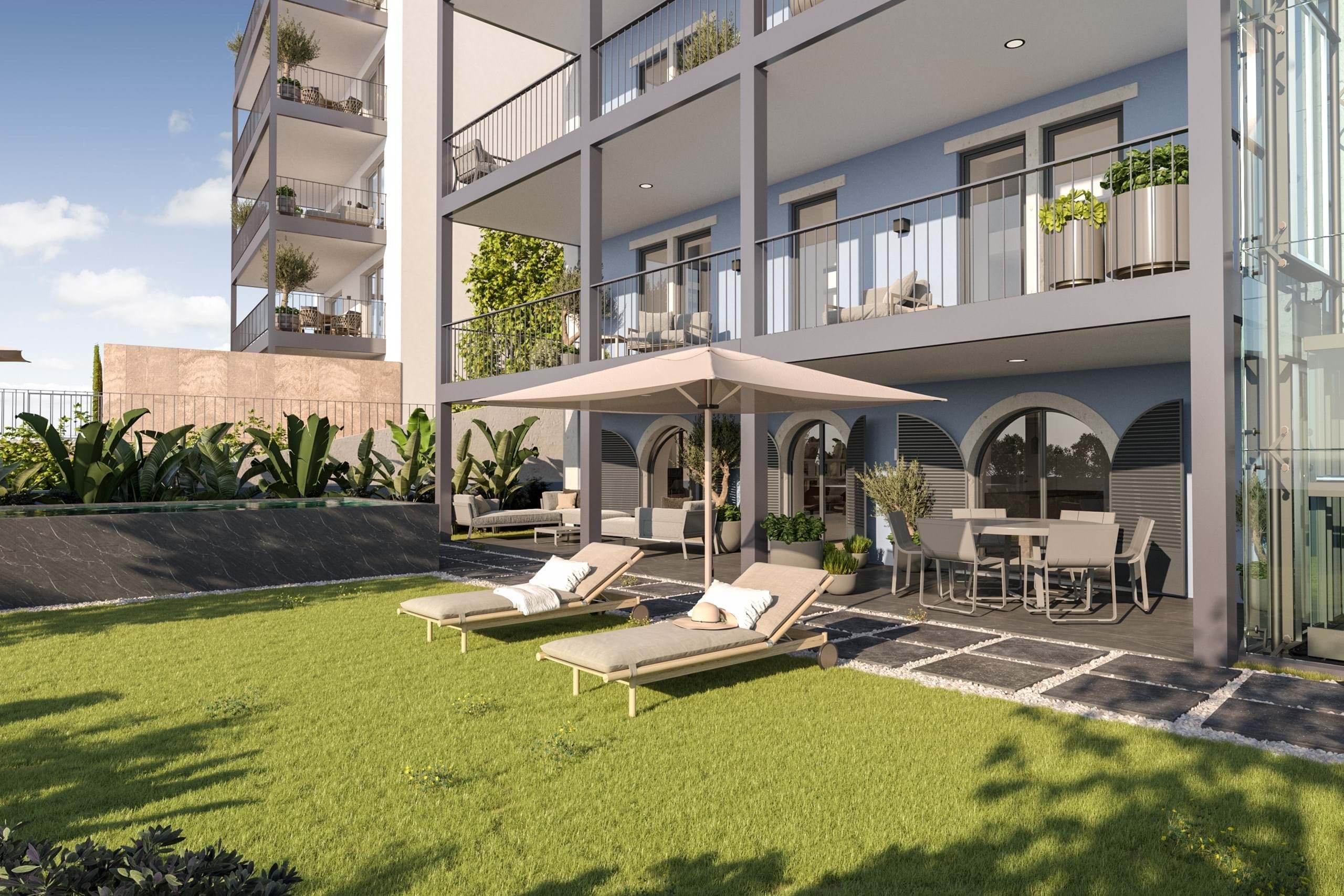
¿Puedo utilizar mi vivienda en Portugal para mi propio uso y, al mismo tiempo, alquilarla?
Sí, y este es, cada vez más, el modelo preferido por los compradores internacionales de Bonte Filipidis.
Cada vez son más los propietarios internacionales que adoptan una estrategia híbrida: utilizan la vivienda como residencia personal durante una parte del año —normalmente en las vacaciones escolares, los meses de verano o los periodos prolongados de trabajo—, al tiempo que obtienen ingresos por alquiler durante los meses restantes. Este enfoque es especialmente habitual en Lisboa, Cascais y Comporta, donde el atractivo del estilo de vida es elevado y la demanda de alquiler es lo suficientemente constante como para garantizar ingresos incluso fuera de las temporadas altas.
El modelo híbrido requiere una planificación cuidadosa. El alquiler a corto plazo bajo el régimen AL suele ser más flexible para los propietarios que desean disponer de acceso personal a la vivienda durante el año, ya que las fechas de inicio y finalización del contrato de alquiler pueden adaptarse en función del uso personal. El alquiler a largo plazo ofrece una mayor previsibilidad en cuanto a los ingresos, pero reduce el acceso a la vivienda mientras dura el contrato. Muchos propietarios con varias viviendas en Portugal combinan ambas opciones.
Cómo elegir la estrategia de alquiler adecuada para tu propiedad en Portugal
Portugal ofrece algo cada vez más escaso en el mercado inmobiliario mundial: la flexibilidad de combinar estilo de vida, rentabilidad financiera y uso personal dentro de un marco estable y regulado por la UE. Una propiedad aquí no es solo un lugar donde vivir, sino un activo versátil que puede adaptarse a tu estrategia de inversión a medida que evolucionan tus prioridades.
Tanto si buscas optimizar la rentabilidad, la estabilidad, el disfrute personal o un equilibrio entre los tres, el mercado del alquiler en Portugal te ofrece las herramientas para hacerlo de forma legal, transparente y con un marco fiscal claro.
En Bonte Filipidis, colaboramos con propietarios internacionales en todas las fases de este proceso: desde la búsqueda de la propiedad y la ubicación adecuadas para una estrategia de alquiler concreta, hasta la puesta en contacto de los clientes con administradores de fincas, asesores jurídicos y especialistas fiscales que garantizan el cumplimiento normativo y el buen funcionamiento desde el primer día.
Ponte en contacto con Bonte Filipidis para analizar tu estrategia de alquiler y cómo estructurar tu inversión inmobiliaria en Portugal.