If you are discovering Portugal for the first time, February offers one of the most joyful and authentic windows into the country’s character: Carnival, known in Portuguese as Carnaval.
More than a party, Carnival in Portugal reflects something deeply rooted in the national identity — a sense of community, a tradition of sharp political humour, and a collective ability to embrace life’s lighter side even in the middle of winter. For expats and international residents, it is often the moment Portugal reveals itself most honestly: not through its landscapes or climate, but through the way its people come together.

What Is Carnival in Portugal?
When does Carnival take place in Portugal?
Carnival falls in the days leading up to Lent, typically in February, with the peak falling on Carnival Tuesday (Terça-Feira Gorda). While Carnival Tuesday is not an official national public holiday, the rhythm of the country noticeably shifts. Schools close, businesses adjust their schedules, and entire towns transform into vibrant stages filled with music, colour and celebration.
Historically, Carnival in Portugal traces its roots to the medieval Entrudo — a festive period before Lent when communities gathered for playful celebrations, disguises and public festivities. As a historically Catholic country, Carnival represented the final days of indulgence before the 40-day period of abstinence leading up to Easter.
Portugal also played a direct role in shaping Carnival beyond its own borders. The tradition travelled to Brazil during the colonial period, where it evolved into the world-famous spectacle known today. Over centuries, influences moved back and forth across the Atlantic, producing a distinctly Portuguese interpretation that blends European tradition, biting satire, and Brazilian-inspired energy.

How Is Carnival Celebrated Differently Across Portugal?
Which towns have the best Carnival in Portugal?
One of the most fascinating aspects of Carnival in Portugal is how sharply it varies from region to region. Unlike a single national event with a uniform character, Portuguese Carnival is a collection of deeply local traditions — each town expressing something distinct about its community.
Torres Vedras: Often described as “the most Portuguese Carnival in Portugal,” Torres Vedras is known for its satirical floats and caricatures that comment boldly on political and social events of the year. The humour is pointed, irreverent and intensely local — an annual exercise in collective commentary that has been running for over a century.
Ovar: Samba schools and elaborate costumes bring a strong Brazilian influence to this northern town’s celebrations, reflecting the long cultural exchange between Portugal and Brazil across generations of emigration and return.
Loulé: In the Algarve, Loulé hosts one of Portugal’s oldest and most elegant Carnivals, combining festive parades with a longer tradition of civic celebration that stretches back centuries.
Podence: Perhaps the most distinctive of all, Podence in the Trás-os-Montes region preserves the tradition of the Caretos — masked figures wearing brightly coloured fringed costumes who move through the village in a centuries-old ritual. The Caretos of Podence are recognised by UNESCO as Intangible Cultural Heritage of Humanity, placing this small village on the global cultural map.
In Lisbon, Porto and across smaller towns and villages, Carnival takes on many forms — from lively street parades and open-air concerts to more intimate neighbourhood gatherings that feel entirely local.

Why Carnival Matters for Understanding Portuguese Life
What does Carnival reveal about living in Portugal?
Carnival in Portugal is not something you observe from a distance. Participation is the point. Adults and children alike dress up, streets become meeting places, and laughter replaces routine for a few days. For newcomers and international residents, it is frequently one of the first moments where Portugal makes its personality felt — warm, unhurried, community-oriented, and possessed of a humour that is both self-aware and genuinely joyful.
This matters for anyone considering Portugal not just as a destination to visit, but as a place to live. Understanding the cultural rhythm of a country — its festivals, its public holidays, its collective rituals — is essential to understanding whether you will actually feel at home there.
Portugal’s calendar is punctuated by moments like Carnival: occasions where community takes precedence over productivity, where tradition is kept alive not through obligation but through genuine attachment. For expats who have relocated from more transactional urban environments, this cultural texture is often described as one of the unexpected rewards of choosing Portugal.
From Culture to Community: Why International Buyers Choose Portugal
Why do expats choose to live in Portugal long-term?
The practical reasons for relocating to Portugal are well documented: climate, safety, cost of living relative to Western European peers, strong international schools, and a property market that has shown sustained long-term value. These are the factors that bring international buyers to the table for the first time.
What keeps them is something harder to quantify — the sense that Portugal is a place where life is genuinely lived, not just organised. Carnival is one expression of that. So is the way Sunday afternoons are spent, the relationship between generations in public spaces, the ease with which communities absorb newcomers without requiring them to disappear.
At Bonte Filipidis, we work with international buyers who are not simply purchasing property — they are choosing a way of life. Understanding the cultural fabric of a place is, in our experience, as important to a successful relocation as finding the right property type or neighbourhood. Both need to fit.
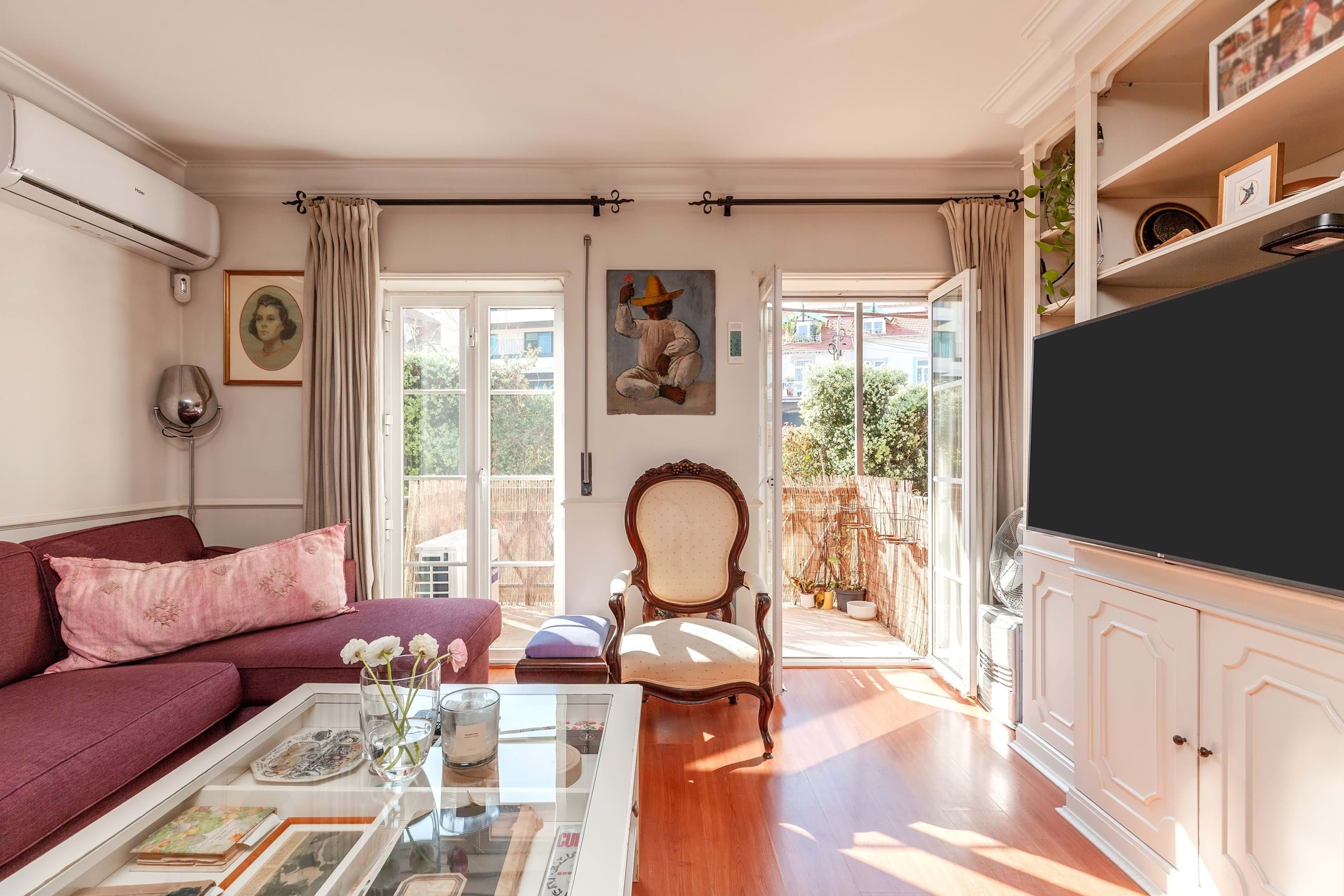
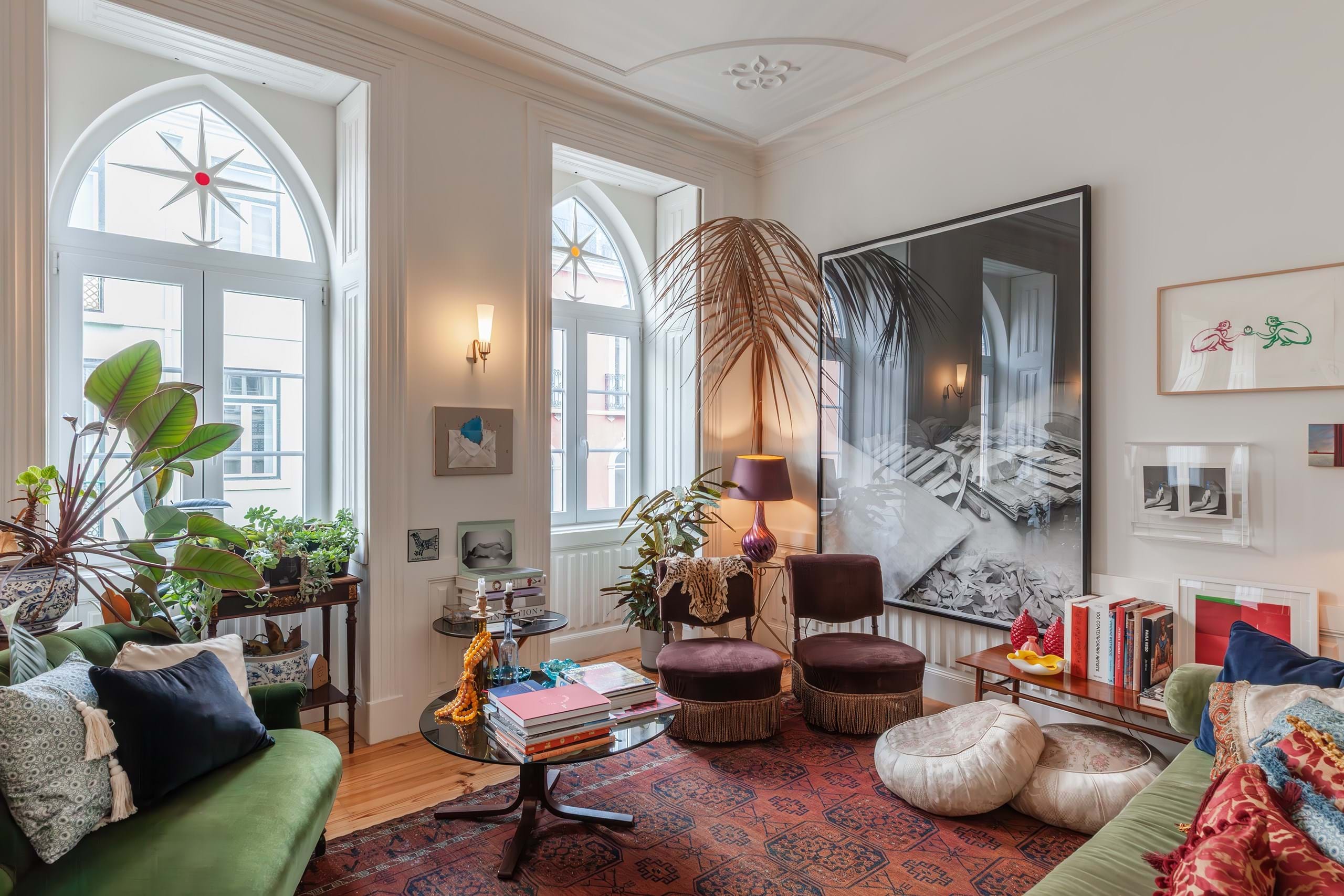
Whether you are considering a permanent move to Lisbon, a second home in Cascais, or an investment in one of Portugal’s growing coastal markets, we are here to help you understand not just the market, but the country.
Contact Bonte Filipidis to begin your search — and your conversation about living in Portugal.