Buying property in Portugal as a foreigner is entirely achievable — but it involves a specific sequence of legal, financial and administrative steps that differ from most other European markets. Portugal remains one of the most attractive destinations in Europe for international buyers, combining high quality of life, political stability, and strong property market fundamentals with a process that, when handled correctly, is structured and transparent.
This guide walks you through exactly how to buy property in Portugal, from defining your strategy to receiving your keys.

Step 1: Define Your Property Investment Strategy
Before beginning your property search, clarify what you are trying to achieve. The right strategy determines everything that follows: location, property type, budget allocation, and expected returns.
What are the most common reasons foreigners buy property in Portugal?
The three most common objectives for international buyers are:
- Buying a second home in Portugal for personal use and lifestyle
- Relocating to Lisbon, Cascais, or Comporta as a primary residence
- Investing in rental property in Portugal for short-term or long-term income
Each objective points to different areas, property types and purchase structures. An investor targeting long-term rental yields will evaluate a property very differently from someone buying a holiday home in Comporta.

Popular locations, and what they offer:
- Lisbon: Urban lifestyle, cultural density, capital growth potential and strong rental demand
- Cascais and Estoril: Coastal living within commuting distance of Lisbon, with a well-established international community
- Comporta: Luxury and lifestyle investment, lower density, strong appeal among European and American buyers
Step 2: Understand the Full Cost of Buying Property in Portugal
What taxes and fees apply when buying property in Portugal?
The purchase price is only part of your budget. Buyers in Portugal should plan for additional transaction costs that typically range between 6% and 10% of the purchase price, depending on the property value and type.
These include:
- IMT (Imposto Municipal sobre Transmissões Onerosas de Imóveis): The property transfer tax, calculated on a sliding scale based on the purchase price and whether the property is a primary or secondary residence
- Stamp Duty (Imposto do Selo): Currently 0.8% of the purchase price
- Notary and registration fees: Typically a few hundred euros, but variable
If you are financing the purchase with a mortgage, factor in lender fees and the cost of obtaining a Portuguese mortgage pre-approval. Securing pre-approval before you begin seriously searching will strengthen your negotiating position significantly.
Step 3: Get a Portuguese Tax Number (NIF)
Do non-residents need a NIF to buy property in Portugal?
Yes. Every buyer — resident or non-resident — must obtain a Portuguese tax identification number (Número de Identificação Fiscal, or NIF) before they can legally complete a property purchase.
Your NIF is required for:
- Signing any contracts related to the property
- Opening a Portuguese bank account
- Paying taxes and fees associated with the transaction
- Any ongoing fiscal obligations as a property owner
Non-residents can apply for a NIF at a Portuguese tax office (Finanças) or through a fiscal representative. At Bonte Filipidis, we assist international clients in obtaining their NIF quickly, before delays at this stage slow down the rest of the process.
Step 4: Open a Portuguese Bank Account
Opening a local bank account is not a legal requirement, but it is strongly recommended for any international buyer purchasing property in Portugal.
A Portuguese account allows you to:
- Transfer purchase funds securely through a regulated local institution
- Pay taxes, fees and ongoing property expenses (such as IMI, the annual property tax) without international transfer costs
- Set up direct debits for utility bills and property management services
Many Portuguese banks have dedicated non-resident services and English-speaking advisors. We work with trusted local banks and can make introductions to simplify this step.
Step 5: Assemble the Right Professional Team
Who do you need when buying property in Portugal?
Buying property in Portugal requires three distinct types of professional support, each with a different role:
- A real estate agent: Responsible for property sourcing, market advice, access to off-market opportunities, and negotiation on your behalf
- An independent lawyer: Responsible for all legal due diligence, contract review and protecting your interests throughout the transaction. This should be a lawyer you appoint independently, not one recommended by the seller
- A notary: The official authority who oversees the signing of the final deed and registration of the transfer
At Bonte Filipidis, we coordinate all three stakeholders throughout the process, ensuring no stage is delayed or left unmanaged.
Step 6: Search for Property in Portugal
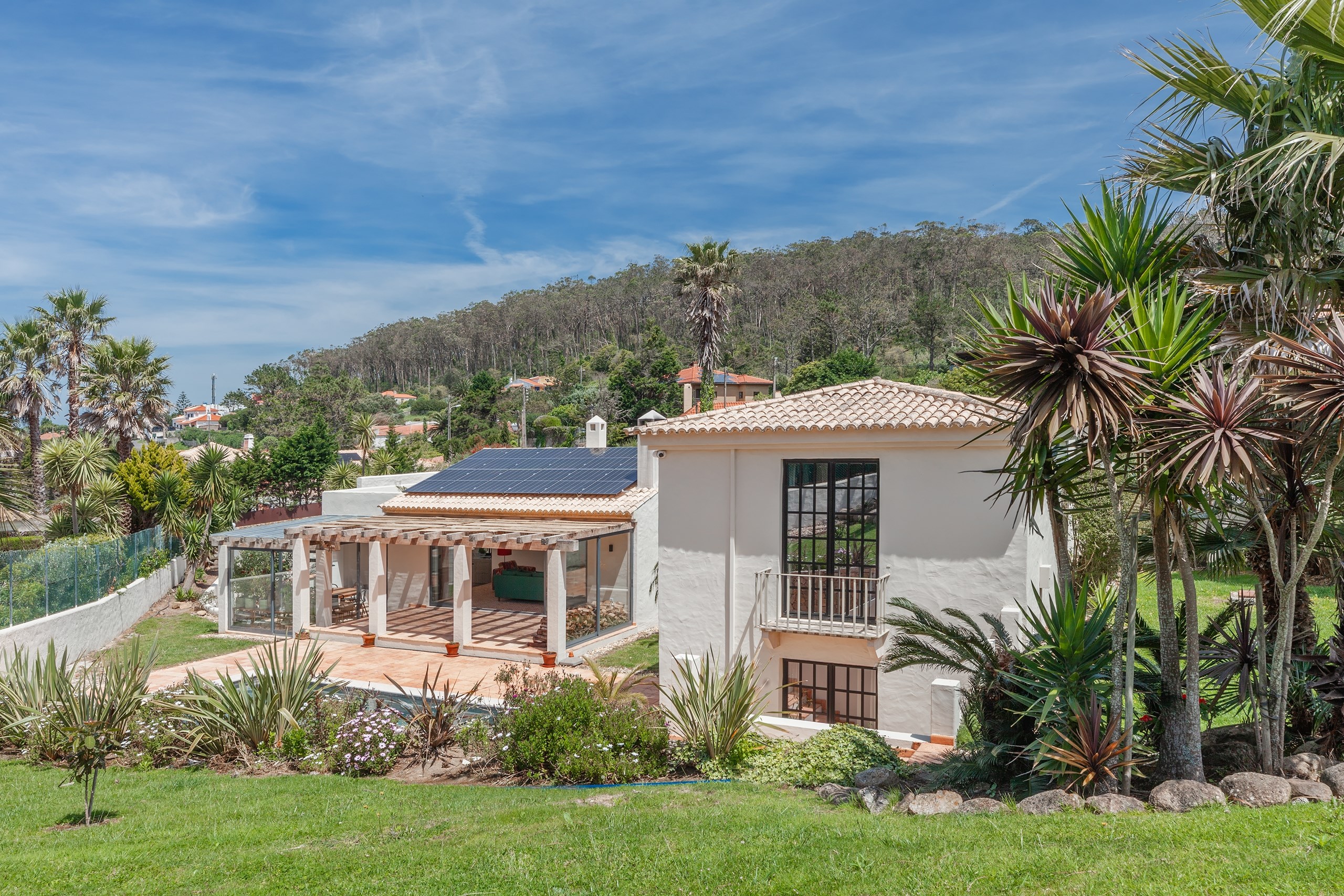
Finding the right property in Portugal requires more than browsing listings. The best opportunities — particularly at higher price points and in areas like Cascais, central Lisbon or Comporta — are frequently off-market, accessible only through established local networks.
We provide:
- A curated selection of properties matched to your stated objectives and budget
- Access to off-market real estate opportunities not available through public portals
- Tailored recommendations based on your investment strategy, lifestyle priorities and holding timeline
This targeted approach saves significant time and consistently surfaces higher-quality opportunities than a self-directed search.

Step 7: Make an Offer and Negotiate
Once you identify the right property, the next step is to formalise your interest and negotiate terms. In Portugal, negotiation typically covers not only price but also conditions such as completion timelines, inclusions, and specific contractual protections.
Negotiation outcomes depend on:
- Current market conditions and comparable sales in the area
- The level of demand for that specific property or location
- The seller’s timeline and flexibility
Our role is to secure the best possible terms across all dimensions of the offer, not only on price.
Step 8: Sign the Promissory Contract (CPCV)
What is the CPCV in Portugal?
The CPCV (Contrato de Promessa de Compra e Venda) is a legally binding preliminary agreement between buyer and seller. It is a critical step in the Portuguese property buying process.
At this stage:
- A deposit of between 10% and 30% of the purchase price is paid by the buyer
- The agreed terms of the sale — price, conditions, completion date — are formally documented
- Both parties are legally committed to the transaction
If the seller withdraws after signing the CPCV, they are typically required to return double the deposit to the buyer. If the buyer withdraws without legal justification, the deposit is generally forfeited. It is essential that your lawyer reviews the CPCV in full before you sign.
Step 9: Legal Checks and Due Diligence
Between the CPCV and the final deed, your lawyer carries out comprehensive due diligence on the property. This is a non-negotiable step and should not be rushed.
Due diligence covers:
- Ownership verification: Confirming the seller has clear legal title to the property
- Land registry checks: Reviewing the Certidão Permanente, the official land registry document
- Building licences and planning permissions: Confirming all structures on the property are legally permitted
- Debts and charges: Checking for any mortgages, unpaid taxes or legal disputes attached to the property
Thorough due diligence is what protects you from acquiring a property with hidden liabilities.

Step 10: Final Deed (Escritura) and Completion
What happens at the Escritura in Portugal?
The Escritura is the final deed of sale, signed before a notary. It is the point at which legal ownership formally transfers from seller to buyer.
At completion:
- The remaining balance of the purchase price is paid
- All applicable taxes (IMT and Stamp Duty) are settled
- The property transfer is officially registered in your name at the land registry
Once the Escritura is signed and witnessed by the notary, you receive the keys to your property.
Step 11: Ongoing Property Taxes in Portugal
After completing your purchase, you become liable for certain ongoing property taxes in Portugal. The main ones are:
- IMI (Imposto Municipal sobre Imóveis): An annual municipal property tax, calculated as a percentage of the property’s tax value (Valor Patrimonial Tributário). Rates vary by municipality and property type
- Rental income taxes: If you rent the property, rental income is subject to Portuguese tax at rates that depend on whether you opt into the standard or the moderate rent regime (see our 2026 tax reform guide for detail on reduced rates)
- Wealth and residency-related considerations: Depending on your tax residency status and total asset base, additional obligations or planning opportunities may apply
We can connect you with trusted financial advisors for long-term tax planning aligned to your ownership structure.
Step 12: After-Sales Support and Property Management
The purchase is completed — but your needs as an international owner are ongoing. We support clients after the transaction with:
- Property management services: Maintenance, utility management, key-holding and local representation
- Rental strategy: Whether short-term, long-term, or a combination, we help structure your rental approach to match your goals and comply with Portugal’s current regulatory framework
- Ongoing investment advice: As the Portuguese market evolves, we keep clients informed of opportunities to optimise their portfolio
Why International Buyers Choose Bonte Filipidis
Buying property in Portugal from abroad introduces complexity at every stage: legal, financial, fiscal, linguistic and logistical. Having the right partner does not just reduce stress — it materially improves outcomes, from the quality of opportunities you access to the terms you secure and the compliance you maintain.
At Bonte Filipidis, we combine deep local market expertise with a fully tailored approach built around your specific objectives. We work with a curated network of lawyers, tax advisors, notaries and property managers — and we coordinate every moving part so that you do not have to.

Our mission is to make buying property in Portugal straightforward, secure and strategically sound.
Ready to begin? Contact Bonte Filipidis to discuss your property search and investment objectives.