A aquisição de imóveis em Portugal por estrangeiros é perfeitamente viável — mas implica uma sequência específica de passos legais, financeiros e administrativos que diferem da maioria dos outros mercados europeus. Portugal continua a ser um dos destinos mais atrativos da Europa para compradores internacionais, combinando elevada qualidade de vida, estabilidade política e fundamentos sólidos do mercado imobiliário com um processo que, quando conduzido corretamente, é estruturado e transparente.
Este guia explica-lhe passo a passo como comprar um imóvel em Portugal, desde a definição da sua estratégia até à entrega das chaves.

Passo 1: Defina a sua estratégia de investimento imobiliário
Antes de iniciar a sua procura de imóveis, defina claramente o que pretende alcançar. A estratégia certa determina tudo o que se segue: localização, tipo de imóvel, dotação orçamental e rendimentos esperados.
Quais são as razões mais comuns pelas quais os estrangeiros compram imóveis em Portugal?
Os três objetivos mais comuns dos compradores internacionais são:
- Comprar uma segunda casa em Portugal para uso pessoal e estilo de vida
- Mudar-se para Lisboa, Cascais ou Comporta como residência principal
- Investir em imóveis para arrendamento em Portugal com vista a obter rendimentos a curto ou a longo prazo
Cada objetivo incide sobre diferentes áreas, tipos de imóveis e estruturas de compra. Um investidor que procure rendimentos de arrendamento a longo prazo avaliará um imóvel de forma muito diferente de alguém que compre uma casa de férias em Comporta.

Locais populares e o que têm para oferecer:
- Lisboa: Estilo de vida urbano, riqueza cultural, potencial de valorização imobiliária e forte procura de arrendamento
- Cascais e Estoril: uma vida à beira-mar a uma curta distância de Lisboa, com uma comunidade internacional bem estabelecida
- Comporta: Investimento em luxo e estilo de vida, menor densidade populacional, grande atratividade entre compradores europeus e americanos
Passo 2: Compreender o custo total da aquisição de um imóvel em Portugal
Que impostos e taxas se aplicam na compra de um imóvel em Portugal?
O preço de compra é apenas uma parte do seu orçamento. Os compradores em Portugal devem prever custos de transação adicionais que, normalmente, variam entre 6 % e 10 % do preço de compra, dependendo do valor e do tipo do imóvel.
Entre estes contam-se:
- IMT (Imposto Municipal sobre Transmissões Onerosas de Imóveis): O imposto sobre a transmissão onerosa de imóveis, calculado de acordo com uma tabela progressiva com base no preço de compra e no facto de o imóvel ser a residência principal ou secundária
- Imposto do Selo: Atualmente, 0,8 % do preço de compra
- Taxas notariais e de registo: Normalmente, algumas centenas de euros, mas variáveis
Se estiver a financiar a compra através de um crédito hipotecário, tenha em conta as comissões da entidade credora e o custo da obtenção de uma pré-aprovação de crédito hipotecário em Portugal. Obter a pré-aprovação antes de começar a procurar a sério irá reforçar significativamente a sua posição negocial.
Passo 3: Obter um Número de Identificação Fiscal (NIF) em Portugal
Os não residentes precisam de um NIF para comprar um imóvel em Portugal?
Sim. Todos os compradores — residentes ou não residentes — têm de obter um número de identificação fiscal português (Número de Identificação Fiscal, ou NIF) antes de poderem concluir legalmente a compra de um imóvel.
O seu NIF é necessário para:
- Assinatura de quaisquer contratos relacionados com o imóvel
- Abrir uma conta bancária em Portugal
- Pagamento de impostos e taxas associados à transação
- Quaisquer obrigações fiscais em curso na qualidade de proprietário
Os não residentes podem solicitar um NIF numa repartição de Finanças ou através de um representante fiscal. Na Bonte Filipidis, ajudamos os clientes internacionais a obter o seu NIF rapidamente, antes que eventuais atrasos nesta fase atrasem o resto do processo.
Passo 4: Abrir uma conta bancária em Portugal
Abrir uma conta bancária local não é um requisito legal, mas é vivamente recomendado a qualquer comprador internacional que pretenda adquirir um imóvel em Portugal.
Uma conta em português permite-lhe:
- Transfira fundos para a compra de forma segura através de uma instituição local regulamentada
- Pague impostos, taxas e despesas correntes relacionadas com o imóvel (como o IMI, o imposto anual sobre imóveis) sem custos de transferência internacional
- Configure débitos diretos para as contas de serviços públicos e serviços de gestão imobiliária
Muitos bancos portugueses dispõem de serviços específicos para não residentes e de consultores que falam inglês. Trabalhamos com bancos locais de confiança e podemos facilitar o contacto com eles para simplificar esta etapa.
Passo 5: Reunir a equipa de profissionais adequada
De quem precisa para comprar um imóvel em Portugal?
A compra de um imóvel em Portugal requer três tipos distintos de apoio profissional, cada um com uma função diferente:
- Um agente imobiliário: Responsável pela procura de imóveis, aconselhamento sobre o mercado, acesso a oportunidades fora do mercado e negociação em seu nome
- Um advogado independente: Responsável por toda a due diligence jurídica, análise dos contratos e proteção dos seus interesses ao longo de toda a transação. Deve ser um advogado que nomeie de forma independente, e não um recomendado pelo vendedor
- Um notário: a autoridade oficial responsável pela supervisão da assinatura da escritura definitiva e do registo da transferência
Em na Bonte Filipidis, coordenamos as três partes interessadas ao longo de todo o processo, garantindo que nenhuma fase sofra atrasos ou fique por gerir.
Passo 6: Procurar imóveis em Portugal
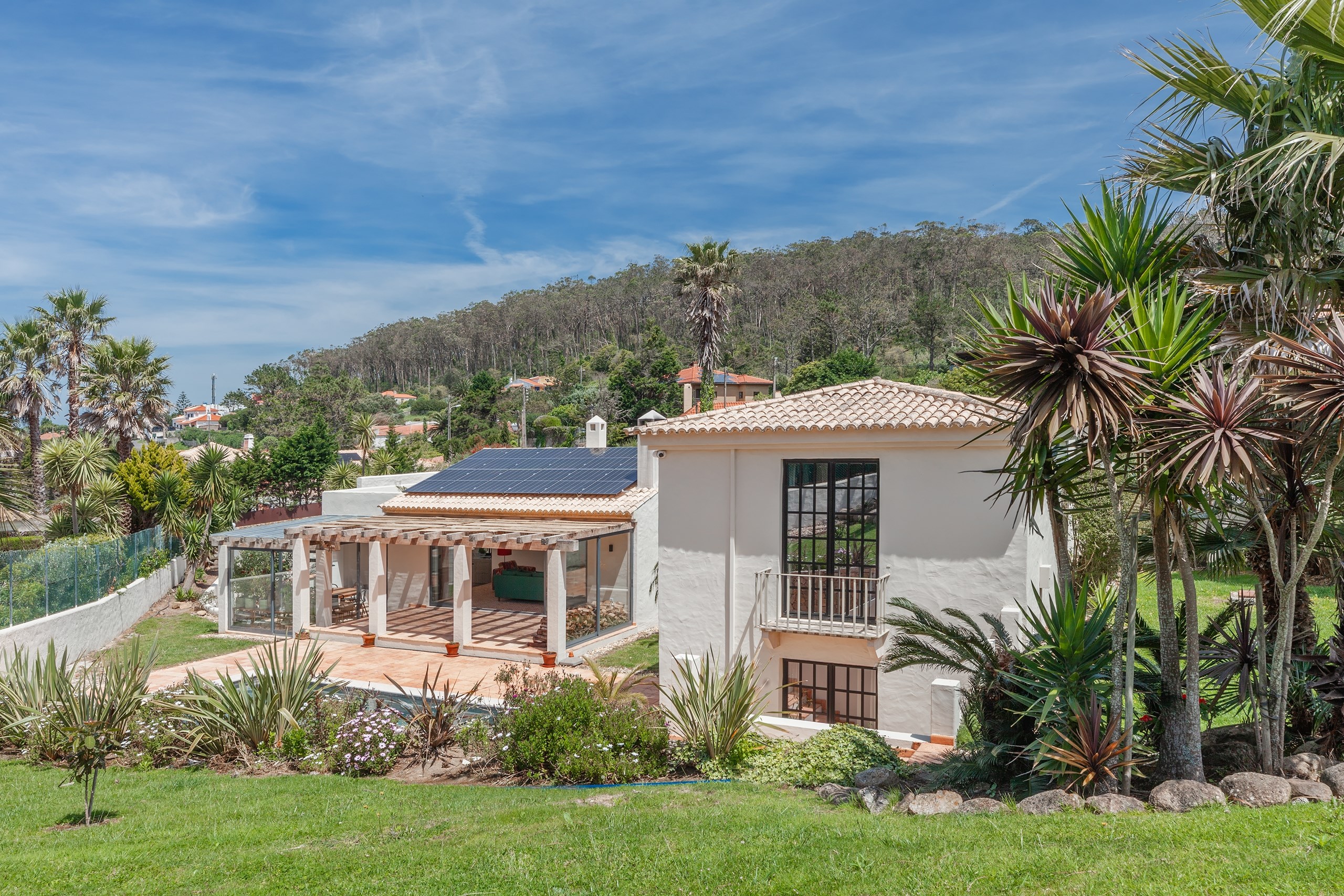
Encontrar o imóvel certo em Portugal requer mais do que apenas consultar os anúncios. As melhores oportunidades — especialmente nas gamas de preços mais elevadas e em zonas como Cascais, o centro de Lisboa ou Comporta — estão frequentemente fora do mercado, sendo acessíveis apenas através de redes locais bem estabelecidas.
Oferecemos:
- Uma seleção cuidada de imóveis que correspondem aos seus objetivos e orçamento indicados
- Acesso a oportunidades imobiliárias fora do mercado, não disponíveis através de portais públicos
- Recomendações personalizadas com base na sua estratégia de investimento, nas suas prioridades de estilo de vida e no horizonte temporal das suas posições
Esta abordagem direcionada permite poupar bastante tempo e revela, de forma consistente, oportunidades de maior qualidade do que uma pesquisa por conta própria.

Passo 7: Apresente uma proposta e negocie
Depois de identificar o imóvel certo, o próximo passo é formalizar o seu interesse e negociar os termos. Em Portugal, a negociação abrange normalmente não só o preço, mas também condições como prazos de conclusão, itens incluídos e proteções contratuais específicas.
Os resultados das negociações dependem de:
- Condições atuais do mercado e vendas comparáveis na zona
- O nível de procura por esse imóvel ou local específico
- O calendário e a flexibilidade do vendedor
O nosso papel consiste em garantir as melhores condições possíveis em todos os aspetos da proposta, e não apenas no que diz respeito ao preço.
Passo 8: Assinar o Contrato Promissório (CPCV)
O que é o CPCV em Portugal?
O CPCV (Contrato de Promessa de Compra e Venda) é um acordo preliminar juridicamente vinculativo entre o comprador e o vendedor. Trata-se de uma etapa fundamental no processo de compra de imóveis em Portugal.
Nesta fase:
- O comprador paga um sinal que varia entre 10 % e 30 % do preço de compra
- Os termos acordados da venda — preço, condições, data de conclusão — são formalmente documentados
- Ambas as partes estão legalmente vinculadas à transação
Se o vendedor desistir após a assinatura do CPCV, é normalmente obrigado a devolver ao comprador o dobro do sinal. Se o comprador desistir sem justificação legal, o sinal é geralmente perdido. É essencial que o seu advogado analise o CPCV na íntegra antes de o assinar.
Passo 9: Verificações jurídicas e due diligence
Entre o CPCV e a escritura definitiva, o seu advogado realiza uma análise exaustiva do imóvel. Trata-se de uma etapa imprescindível e que não deve ser apressada.
A due diligence abrange:
- Verificação da titularidade: Confirmar que o vendedor detém o título legal válido sobre o imóvel
- Verificações no registo predial: Análise da Certidão Permanente, o documento oficial do registo predial
- Licenças de construção e autorizações de planeamento: Confirmar que todas as estruturas existentes na propriedade estão legalmente autorizadas
- Dívidas e encargos: Verificar se existem hipotecas, impostos por pagar ou litígios judiciais associados ao imóvel
Uma análise minuciosa é o que o protege de adquirir um imóvel com passivos ocultos.

Passo 10: Escritura final e conclusão
O que acontece na Escritura, em Portugal?
A «Escritura» é a escritura de venda definitiva, assinada perante um notário. É o momento em que a propriedade legal é formalmente transferida do vendedor para o comprador.
Após a conclusão:
- O saldo restante do preço de compra é pago
- Todos os impostos aplicáveis (IMT e Imposto de Selo) foram liquidados
- A transferência do imóvel está oficialmente registada em seu nome no registo predial
Assim que a Escritura for assinada e autenticada pelo notário, receberá as chaves do seu imóvel.
Passo 11: Impostos sobre imóveis em vigor em Portugal
Após concluir a sua compra, passa a estar sujeito ao pagamento de determinados impostos prediais recorrentes em Portugal. Os principais são:
- IMI (Imposto Municipal sobre Imóveis): Um imposto municipal anual sobre imóveis, calculado como uma percentagem do valor patrimonial tributário do imóvel. As taxas variam consoante o município e o tipo de imóvel
- Impostos sobre rendimentos de arrendamento: Se arrendar o imóvel, os rendimentos de arrendamento estão sujeitos a tributação em Portugal, a taxas que dependem da sua opção pelo regime de arrendamento normal ou pelo regime de arrendamento moderado (consulte o nosso guia sobre a reforma fiscal de 2026 para obter mais detalhes sobre as taxas reduzidas)
- Considerações relacionadas com o património e a residência: Dependendo do seu estatuto de residência fiscal e do valor total dos seus ativos, poderão aplicar-se obrigações adicionais ou oportunidades de planeamento
Podemos pô-lo em contacto com consultores financeiros de confiança para um planeamento fiscal a longo prazo, de acordo com a sua estrutura acionista.
Passo 12: Apoio pós-venda e gestão imobiliária
A compra está concluída — mas as suas necessidades enquanto proprietário internacional continuam a existir. Apoiamos os nossos clientes após a transação com:
- Serviços de gestão imobiliária: manutenção, gestão de serviços públicos, guarda de chaves e representação local
- Estratégia de arrendamento: Quer se trate de arrendamento de curta duração, de longa duração ou de uma combinação de ambos, ajudamos a estruturar a sua estratégia de arrendamento de forma a corresponder aos seus objetivos e a cumprir o quadro regulamentar vigente em Portugal
- Aconselhamento contínuo em matéria de investimentos: À medida que o mercado português evolui, mantemos os clientes informados sobre as oportunidades para otimizar a sua carteira
Por que razão os compradores internacionais escolhem a Bonte Filipidis
A compra de imóveis em Portugal a partir do estrangeiro implica complexidades em todas as fases: jurídica, financeira, fiscal, linguística e logística. Contar com o parceiro certo não se limita a reduzir o stress — melhora significativamente os resultados, desde a qualidade das oportunidades a que tem acesso até às condições que consegue garantir e à conformidade que mantém.
Na Bonte Filipidis, combinamos um profundo conhecimento do mercado local com uma abordagem totalmente personalizada, centrada nos seus objetivos específicos. Trabalhamos com uma rede cuidadosamente selecionada de advogados, consultores fiscais, notários e gestores imobiliários — e coordenamos todos os aspetos do processo para que não tenha de o fazer.

A nossa missão é tornar a compra de imóveis em Portugal simples, segura e estrategicamente sólida.
Pronto para começar? Contacte Bonte Filipidis para discutir a sua procura de imóveis e os seus objetivos de investimento.