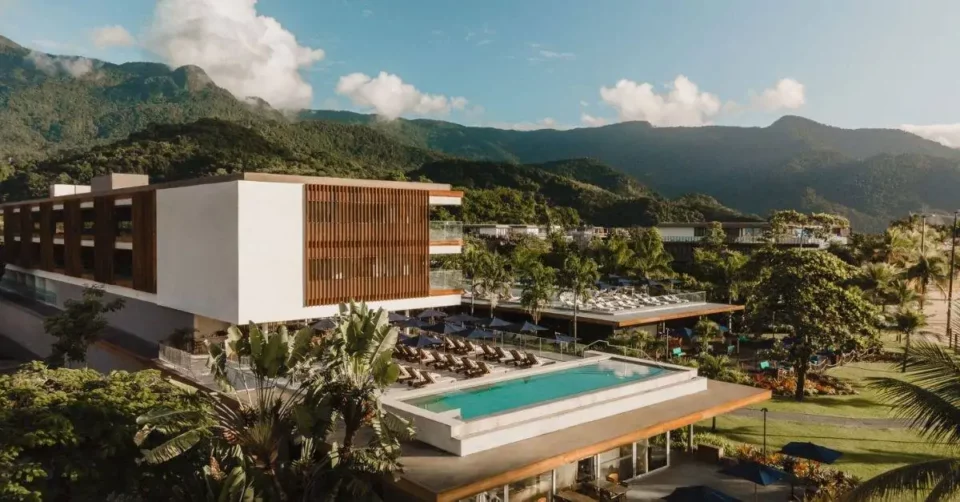
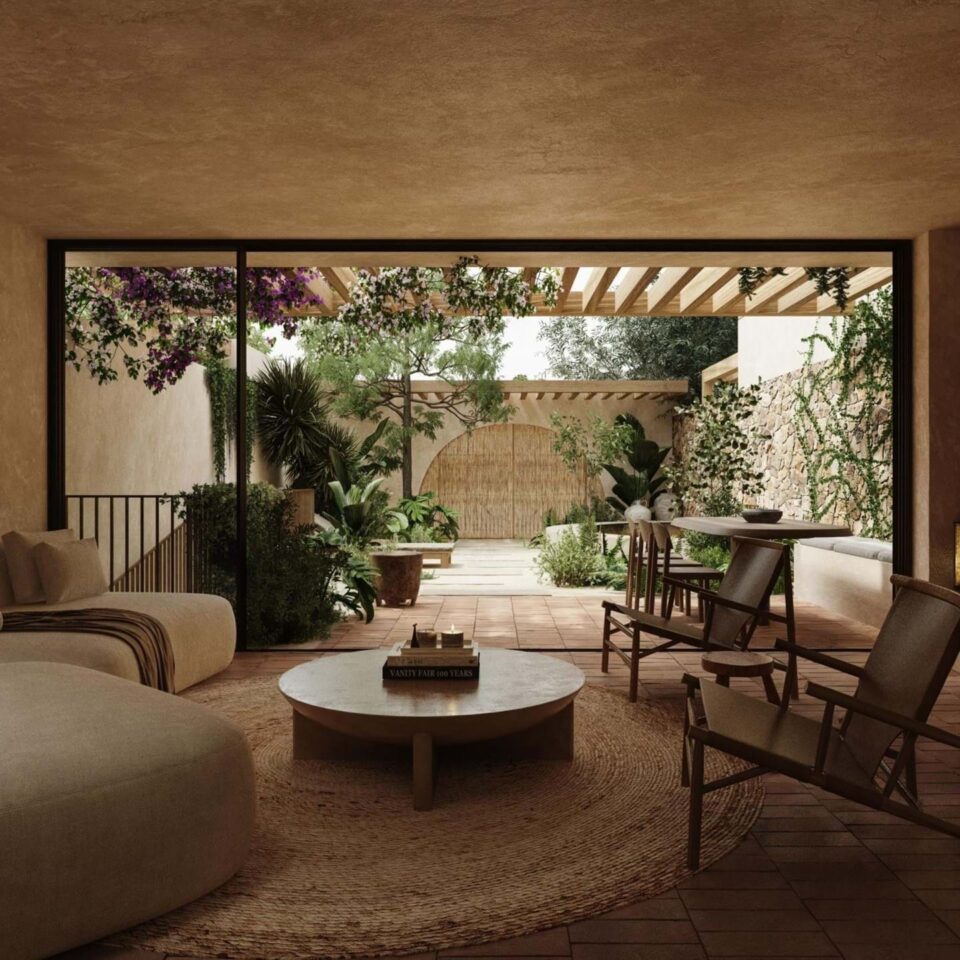
At some point in almost every search for a luxury property, the question surfaces: new build or resale? Anyone buying property in Portugal eventually faces it. A buyer falls in love with a beautifully renovated quinta in Sintra (a quinta is a traditional Portuguese country estate), then sees a sleek new development in the Algarve with an infinity pool and an A+ energy rating, and wonders: am I looking at this the right way?
The honest answer is that both options can be exceptional, and both can disappoint, depending entirely on who is buying, why, and where. What follows is not a verdict. It is a framework for thinking clearly about one of the most significant decisions you will make.
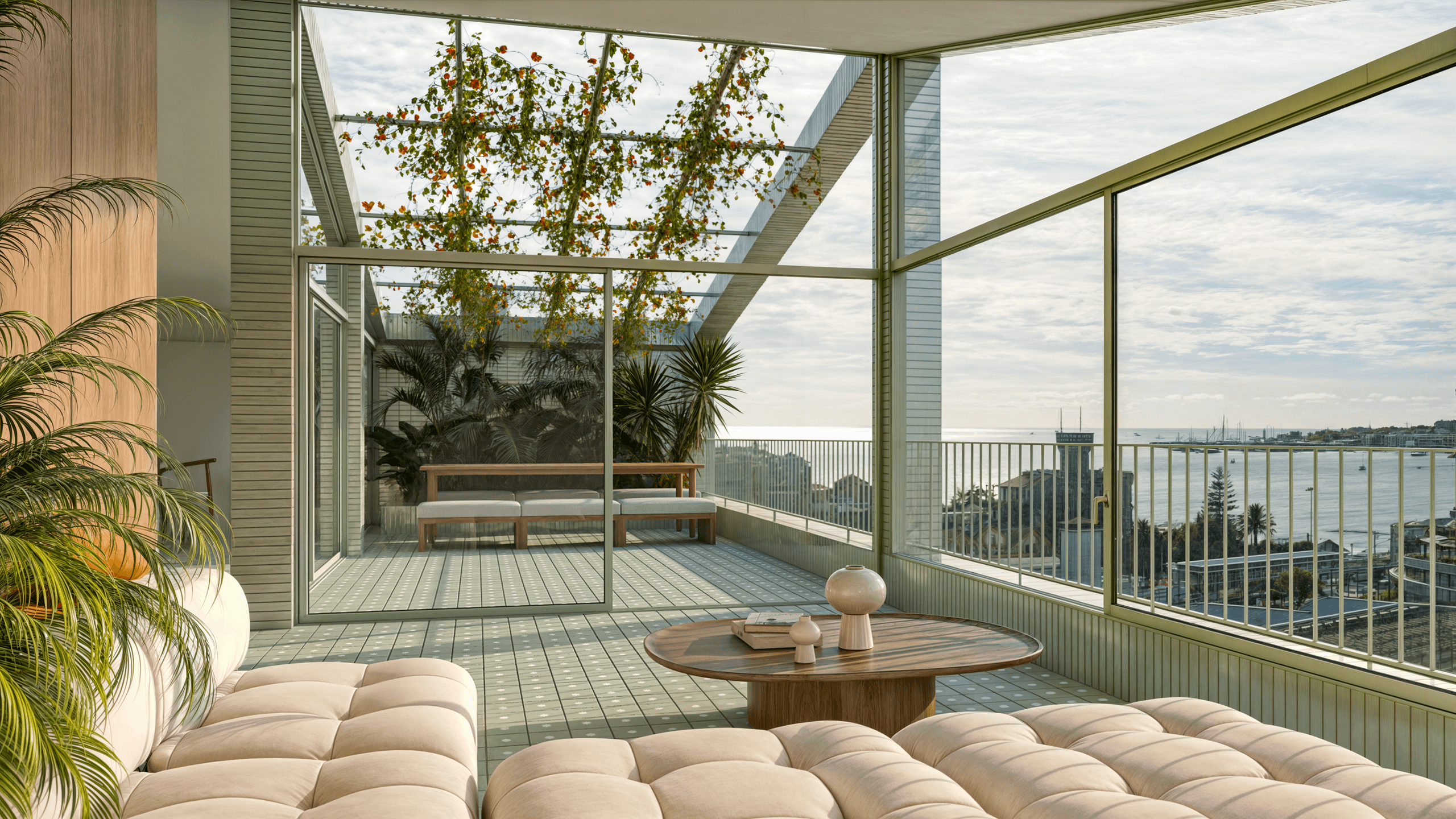
Why choose a new build in Portugal?
New homes in Portugal are built to current building regulations, which generally means superior energy efficiency: better insulation, double glazing, and modern heating and cooling systems. Because the building loses less heat in winter and stays cooler in summer, it consumes less energy, which translates directly into lower utility bills and a stronger Energy Performance Certificate (EPC) rating. The EPC is the official label, graded from A+ down to F, that scores how efficiently a home uses energy. The difference between an A+ rated property and a D-rated one can mean €1,500 to €3,000 or more annually in energy bills, a gap that compounds significantly over a decade of ownership.
New construction in Portugal also comes with mandatory builder guarantees, typically covering structural defects for five years. For buyers who want predictability, with no renovation surprises and no inherited maintenance backlog, this is a meaningful advantage. Buying off-plan, which means purchasing before construction is complete, adds another dimension: the ability to personalise finishes, layouts, and materials from the outset.
There is a growing appetite for energy-efficient, sustainable homes. Buyers want new builds equipped with solar panels, smart technology, and solid insulation. These features often come with a price premium, but they also hold value, because future buyers will pay for lower running costs and modern standards. In markets like the Algarve, where prime spots such as Quinta do Lago command around €5,000 per square metre, new luxury developments have raised the bar on what high-end construction can deliver.
Why choose a resale property in Portugal?
The most compelling argument for resale homes in Portugal is one that no new development can replicate: location. New developments are often built on the outskirts, meaning buyers may sacrifice a central address for modern comforts. The finest addresses in Estoril, Cascais, Comporta and central Lisbon are not available as new builds. They have been built for decades, and the land they sit on is irreplaceable.
There is also the question of character. While new builds offer a clean slate, some can feel uniform, lacking the unique soul that draws so many people to Portugal in the first place. A 1930s villa on the Estoril seafront, a stone farmhouse in the hills above Sintra, a fisherman’s house in Comporta renovated with restraint: these are not properties that can be reproduced. They carry a story, a materiality, a sense of place that is increasingly valued by buyers who are not simply purchasing square metres.
Resale can also perform financially. Renovated homes in Portugal can achieve selling prices up to 30% higher than comparable properties in need of work, depending on location and quality of renovation. A well-chosen resale property, thoughtfully upgraded, can outperform new build alternatives on both lifestyle and long-term capital value, particularly in prime locations where supply is constrained and demand consistently exceeds the homes available.
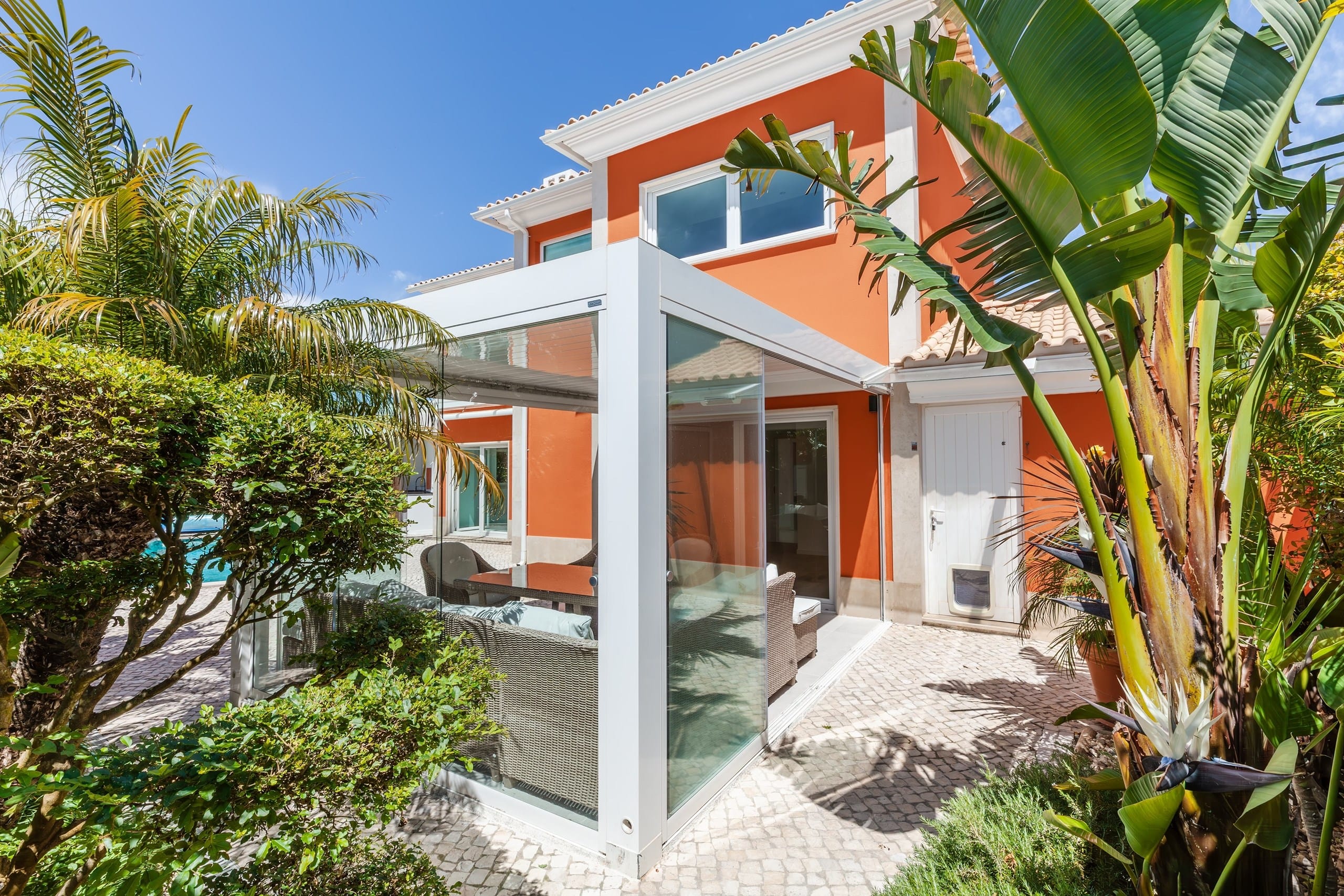
Is new build more expensive than resale in Portugal?
Usually, yes. In 2025, 23 of Portugal’s 24 largest municipalities recorded higher prices per square metre for new builds than for existing properties. In Lisbon, new homes sold at €5,890/m² versus €4,725/m² for existing homes, a gap of €1,165/m². This premium reflects the energy efficiency and finish quality of new construction. It also means that resale, in many cases, offers a more attractive entry price, with significant upside if the property is well located and well maintained.
What about taxes when buying property in Portugal?
On the tax side, there is generally no significant difference between a new build and a resale purchase. Both are subject to IMT, Portugal’s property transfer tax (Imposto Municipal sobre as Transmissões Onerosas de Imóveis), which the buyer pays at the time of purchase. Non-residents pay a flat 7.5% IMT on residential property from 2026, with stamp duty of 0.8% applying to all transactions on top. As a non-resident, budget 8 to 9% of the purchase price for taxes alone. Neither option carries a meaningful tax advantage over the other for most international buyers.
Which option wins in each region?
The right answer genuinely varies by location. In the Algarve, high-quality new resort developments have set a standard that makes them genuinely competitive with resale, particularly for buyers prioritising lifestyle amenities, rental yield, and low maintenance.
In Estoril and Cascais, the finest luxury properties are overwhelmingly resale: the coastline is built, the addresses are established, and new supply is limited.
In Comporta, the market skews strongly towards character properties and land. New builds exist, but the soul of the place is entirely rooted in its existing fabric.
In Sintra, the architectural heritage is the point entirely.
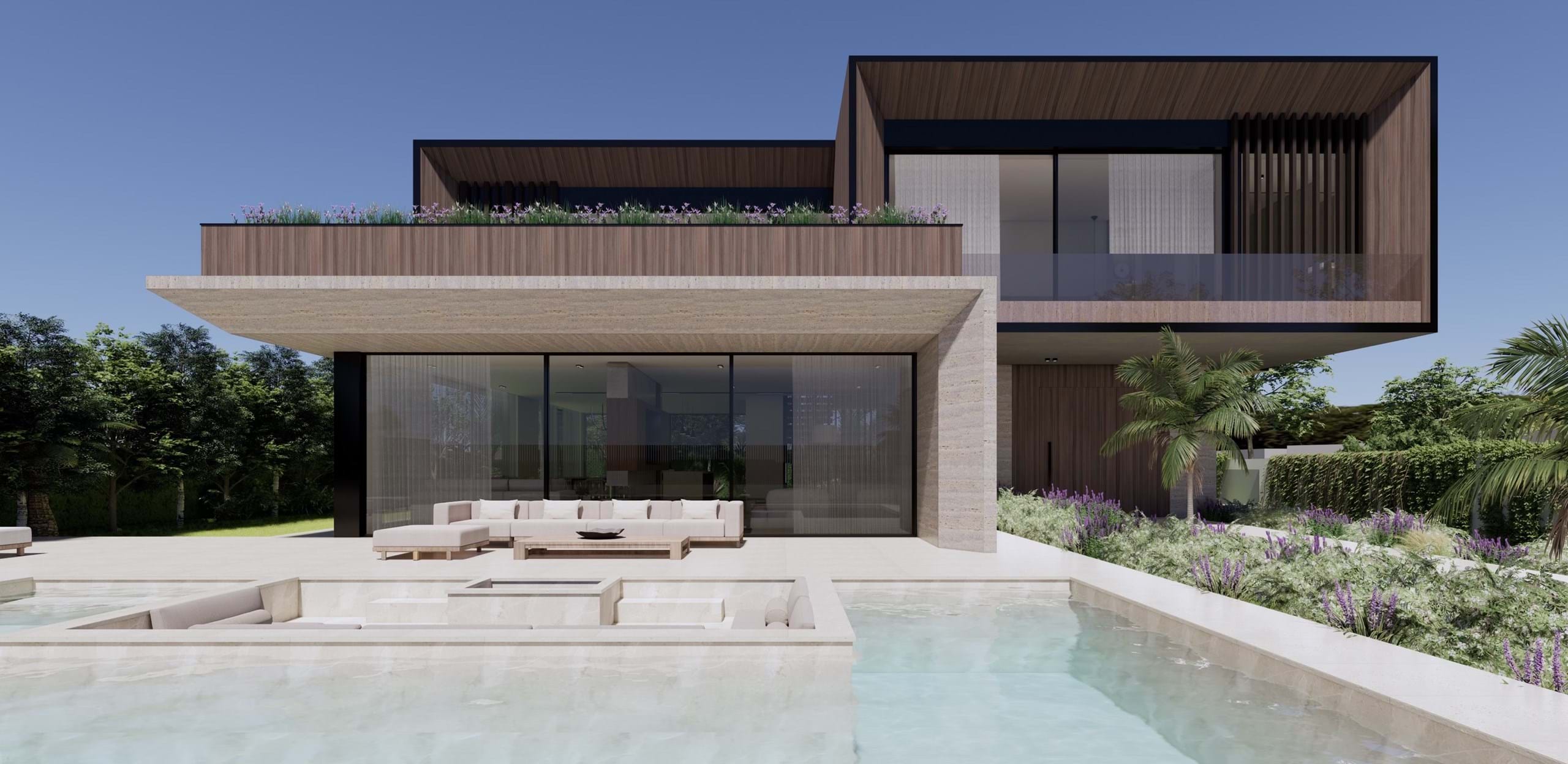
So which place in Portugal is right for you?
What most buyers are really asking when they weigh a new build against resale is something more personal: what kind of life am I building here? A turnkey apartment in a managed resort development and a restored palacete (a grand historic townhouse) with original stonework are both excellent answers to different questions.
At Bonte Filipidis, we work across both sides of the Portuguese luxury property market. Our portfolio includes new developments in the Algarve and Cascais as well as off-market resale properties of genuine character across Estoril, Comporta, Sintra and beyond. Off-market means homes offered privately, never publicly listed, so they reach only qualified buyers. We do not start from the property type. We start from your project, and work backwards to find the right fit.