Há um momento específico em que o verão português chega à Riviera de Lisboa, o troço da costa atlântica que se estende para oeste a partir de Lisboa, passando pelo Estoril e por Cascais. Não se trata de uma data no calendário. É a noite em que se desce do comboio em Cascais, o ar cheira a sal e a peixe grelhado, e alguém no bar da estação já passou a beber vinho verde, aquele vinho jovem, leve e ligeiramente espumante que se bebe em Portugal durante todo o verão.
De 15 de junho a 15 de setembro de 2026, esta costa, que se estende até às falésias selvagens do Guincho e atravessa o Tejo até às longas areias douradas da Caparica, oferece um verão que é difícil de estragar. O desafio é saber qual a versão que se pretende. Este guia destina-se a quem procura a verdadeira experiência.
Que praia da Riviera de Lisboa deve escolher?
Nem todas as praias de Riviera de Lisboa são iguais. Algumas são ideais para famílias, outras para praticar surf e outras ainda para sentar com um livro e uma cerveja gelada até o sol se pôr. Escolher sem ter isto em conta é o que faz com que acabes no sítio errado na melhor tarde da tua viagem. Aqui fica uma descrição das diferenças entre as principais praias, para que possas escolher a praia que melhor se adequa ao dia que desejas.
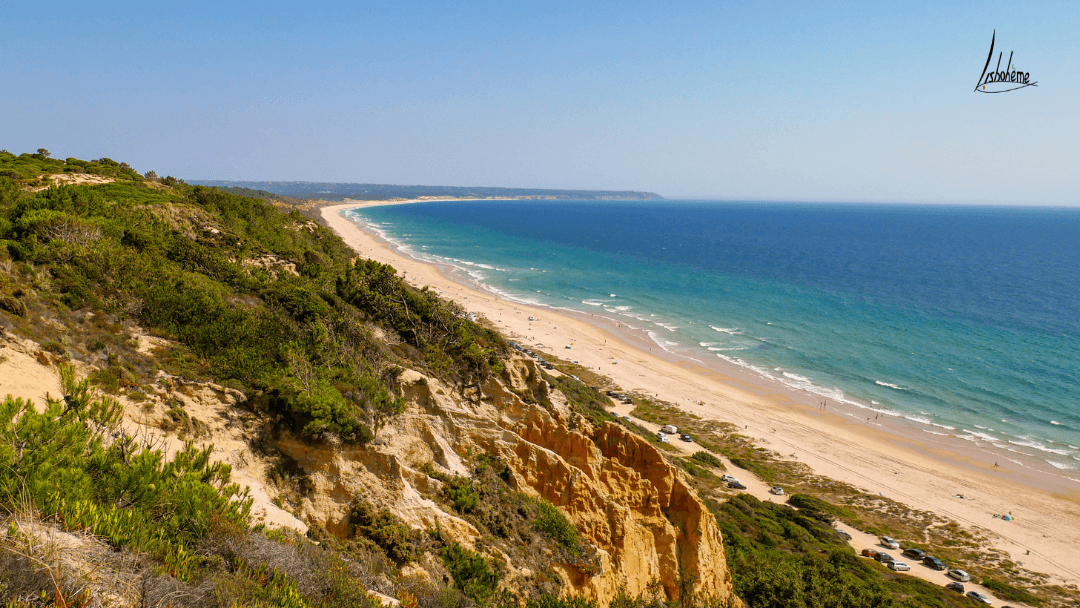
Carcavelos é a praia ideal: ampla, acessível de comboio e com tudo o que é necessário para passar um dia inteiro. As ondas são suficientemente consistentes para aulas de surf e a praia é tão grande que, mesmo em agosto, nunca se sente sobrelotada. Se vier com crianças que queiram aprender a surfar, comece por aqui.
A Praia de São Pedro do Estorilé aquela que os locais preferem discretamente à de Tamariz. É mais pequena, menos fotografada e fica situada entre as duas principais faixas de praia. Num sábado de agosto, quando todas as outras praias estão lotadas, esta ainda tem espaço.
Praia do Tamarizem Estoril tem uma piscina de água do mar, a Piscina Oceânica do Tamariz, na sua extremidade oriental. Por ser abrigada e pouco profunda, aquece-se muito mais do que as águas abertas do Atlântico, pelo que é muito mais adequada para crianças pequenas que ainda não nadam com segurança.
Praia da Rainhaem Cascais é pequena, escondida e deve o seu nome à rainha Amélia, que a utilizava como local de banho privado na década de 1880. Os adolescentes saltam das rochas na extremidade ocidental. O cenário é verdadeiramente belo e fica bastante cheio a meio da manhã em julho, por isso é melhor chegar cedo.
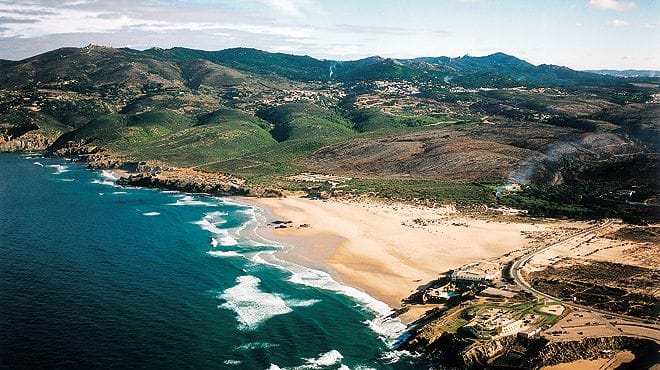
Guinchonão é uma praia para nadar, é uma praia que reflete a força da natureza. Aqui, o Atlântico bate com força e rapidez, e as correntes não perdoam, e é precisamente por isso que os surfistas, windsurfistas e kitesurfistas a adoram. Todos os outros devem vir para dar um passeio pela estrada costeira à hora dourada, uma das experiências mais cinematográficas que se pode viver nesta costa, e depois dar um mergulho num local mais calmo.
A Costa da Caparicafica a vinte minutos de Lisboa, do outro lado do Tejo, e parece um país diferente. A areia estende-se por trinta quilómetros, as ondas são as típicas do Atlântico e o público é mais jovem, mais barulhento e menos interessado em ser visto. Se a Riviera do Estoril é a versão «blazer e linho» de um verão português, a Caparica é a versão «fato de mergulho e cerveja gelada». Vale a pena conhecer ambas.
Que concertos e festivais vão decorrer este verão em Lisboa?
Este verão, Cascais é a capital dos concertos do país, e toda a Riviera de Lisboa apresenta a melhor programação musical dos últimos anos. Estas são as datas que vale a pena ter em conta ao fazer reservas.
Festival AGEAS CoolJazz decorre durante todo o mês de julho no Hipódromo Manuel Possolo e no Parque Marechal Carmona, em Cascais: palcos ao ar livre, jardins bem cuidados e um público que realmente ouve. O cartaz de 2026 é o mais forte dos últimos anos, com Gilberto Gil a 8 de julho, David Byrne a 14 de julho, Jamiroquai a 18 de julho e Franz Ferdinand a 25 de julho. Reserve com antecedência, porque os bilhetes esgotam discretamente e rapidamente.
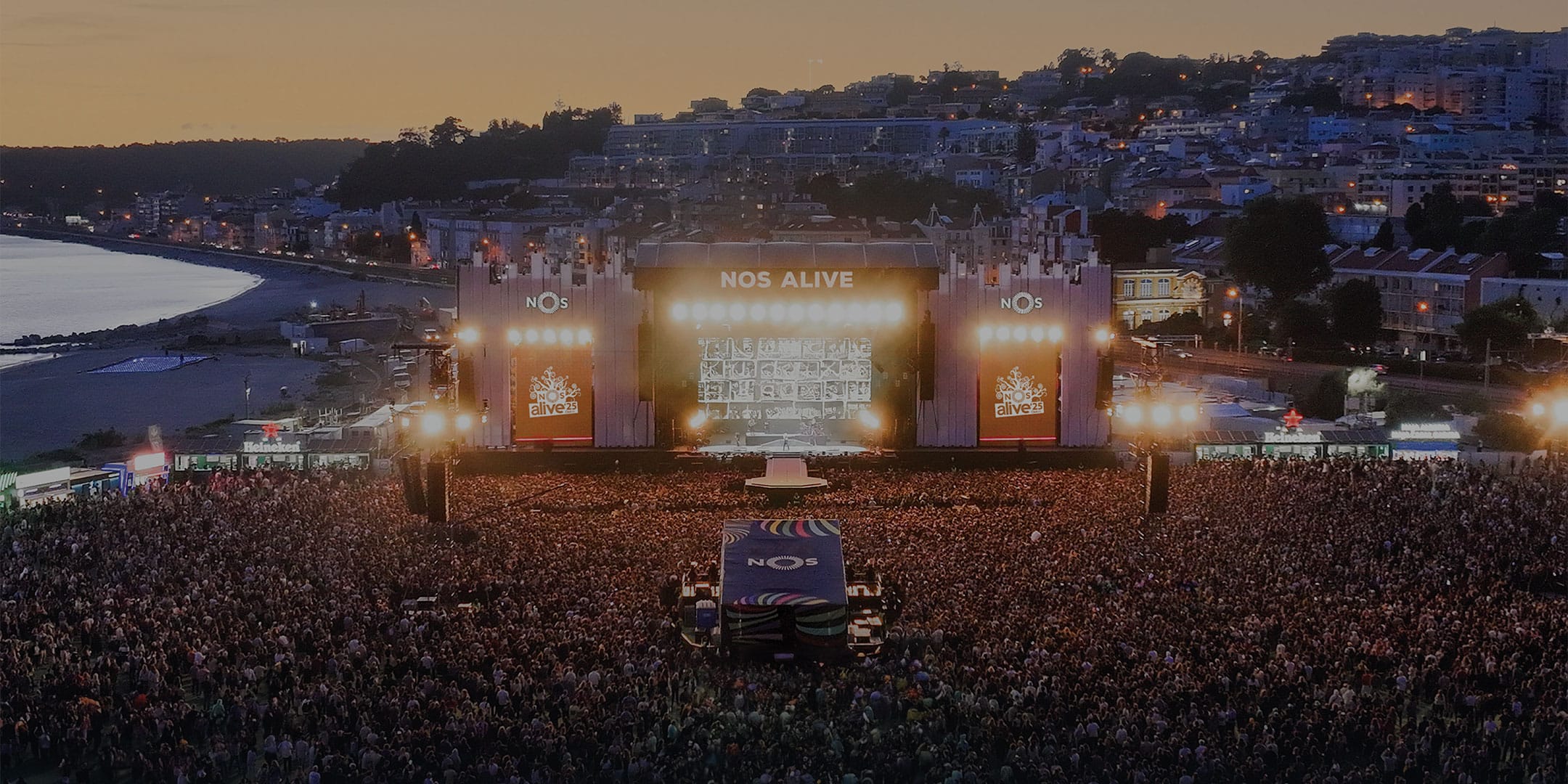
NOS Alive (9 a 11 de julho, Passeio Marítimo de Algés) é o festival a que toda a cidade de Lisboa acorre: um cenário ribeirinho, três dias, cabeças de cartaz de peso e uma multidão que começa a chegar já à tarde. O lema é «praia de dia, música à noite», e é mesmo isso que querem dizer.
O Lisb-On Jardim Sonoro, a3 de julho, leva a música eletrónica a um dos parques mais bonitos de Lisboa. O facto de se realizar num jardim faz com que pareça um evento tranquilo. Mas não é.
Sol da Caparica (13 a 16 de agosto) é tudo o que o NOS Alive não é: mais português, mais caótico, mais praia. O recinto fica a poucos passos da areia e a programação mistura música com surf, stand-up paddle, arte urbana e cinema. Tem um ambiente festivo e local que é difícil de recriar e fácil de adorar.
MEO Kalorama (28 a 30 de agosto, Parque da Bela Vista, Lisboa) encerra a temporada com música indie, eletrónica, grandes nomes e noites até tarde. Nesta altura de agosto, toda a gente já está um pouco queimada pelo sol e completamente pronta para uma última maratona.
Festival dos Oceanos (de 1 a 15 de julho) é o evento gratuito: concertos, exposições e programação com temática oceânica espalhados por Belém, Parque das Nações e Cais do Sodré. É um evento ideal para famílias, muito bem organizado e verdadeiramente gratuito, por isso não há desculpa para o perder.
O Open de Estoril vai voltar em 2026?
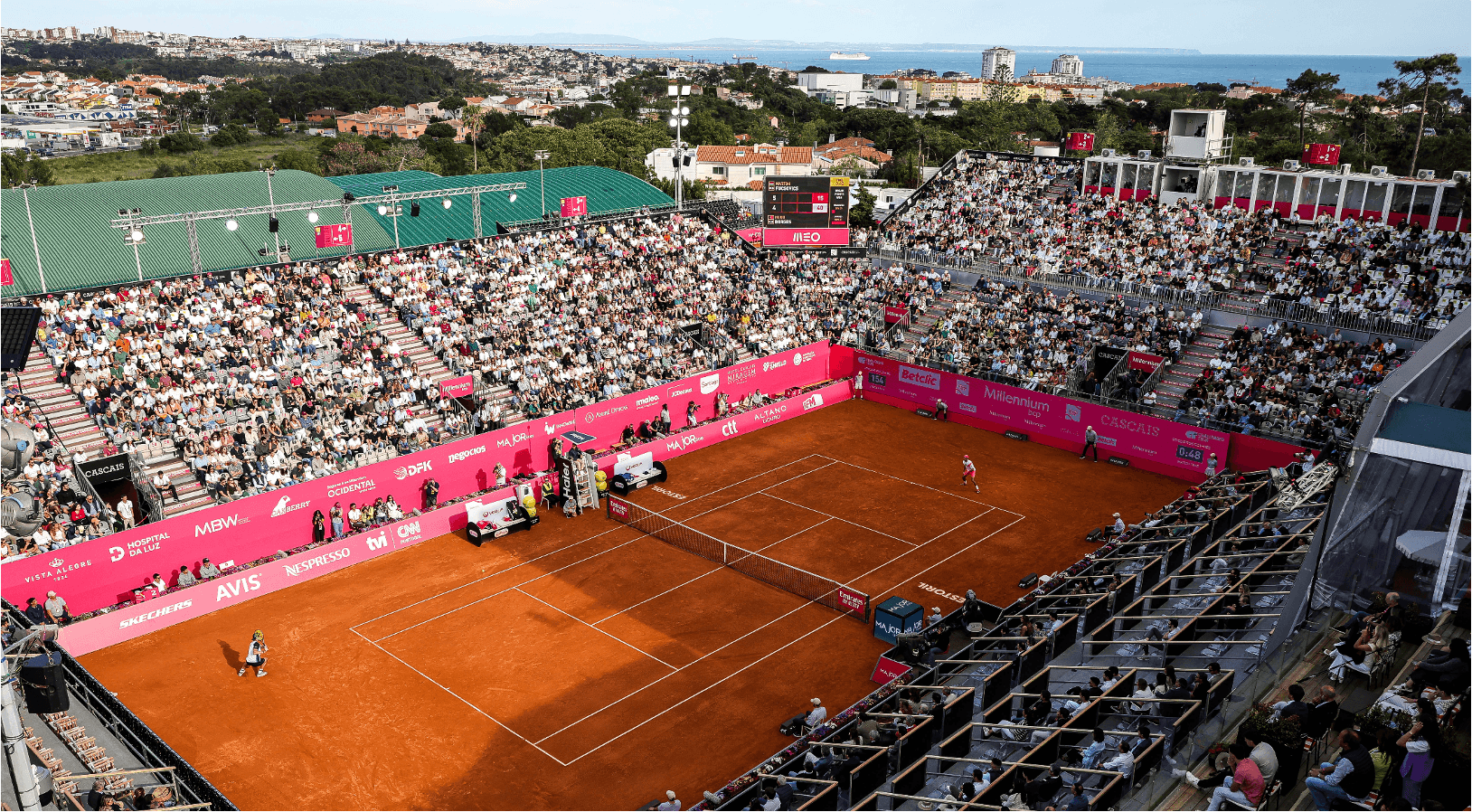
Sim. O Millennium Estoril Open regressa em 2026 com o estatuto de ATP 250, decorecendo de 18 a 26 de julho no Clube de Ténis do Estoril. O ATP 250 é o nível de entrada do circuito profissional masculino, cujo nome deriva dos pontos de ranking que o vencedor ganha. O único evento do Circuito ATP em Portugal passou a realizar-se no verão, e a melhoria é notória: nove dias de ténis de alto nível em terra batida num dos clubes mais elegantes da Europa, com Casper Ruud, Stan Wawrinka, Andrey Rublev e o português Nuno Borges entre os nomes confirmados. Os bilhetes variam entre 15 € e 110 €. O ambiente é descontraído da melhor forma possível, mais parecido com uma festa no jardim de Wimbledon do que com um evento num estádio. Os locais sabem que devem chegar cedo, arranjar uma mesa perto dos campos de treino e assistir ao aquecimento dos jogadores antes do início dos jogos. Essa parte é gratuita.
Onde ficam os melhores mercados de verão em Lisboa?
O FIARTILrealiza-se no Estoril todos os verões desde 1964. Todas as noites, de 26 de junho a 23 de agosto, o jardim junto ao casino enche-se de bancas de artesanato que vendem cerâmica, têxteis, produtos gastronómicos regionais e joalharia artesanal. Não se leva demasiado a sério, e é precisamente por isso que funciona. Traga as crianças e compre coisas de que não precisa estritamente.
O Mercado de Domingo da Lx Factory, em Lisboa, decorre todos os fins de semana ao longo do ano, mas é no verão que ganha todo o seu encanto: roupa vintage, discos de vinil, produtores locais de alimentos, uma esplanada e as estruturas industriais de uma antiga fábrica têxtil, que estão a sofrer um processo lento de gentrificação. É o tipo de lugar que nos faz sentir que vivemos em Lisboa, mesmo quando estamos apenas de visita.
Que atividades ao ar livre vale a pena praticar?
Percorrer de bicicleta a costa do Estoril, de Lisboa a Cascais, ao longo da ciclovia à beira-mar, demora cerca de noventa minutos a um ritmo tranquilo e termina numa praia. Faça-o de manhã, antes que o calor comece a fazer-se sentir. É um dos melhores percursos de bicicleta da Europa e quase ninguém fora da região o conhece.
A prática de caiaque e paddleao longo da costa entre a marina de Cascais e o Guincho é frequentemente subestimada. Várias empresas oferecem sessões guiadas pela manhã, e a água em junho está calma, límpida e suficientemente fria para o acordar de vez.
Acompetição de surf «Capítulo Perfeito», em Carcavelos, é um dos eventos mais invulgares do calendário da WSL (World Surf League): só se realiza quando as condições das ondas são perfeitas, antes das eliminatórias finais. Isso significa que pode acontecer em junho ou em agosto, e tudo se desenrola no prazo de 48 horas após o anúncio. Acompanhe a previsão do tempo.

Onde é que se deve ir nos dias mais quentes em Lisboa?
Quando o sol da tarde torna a praia insuportável, a Riviera de Lisboa oferece alternativas culturais e refrescantes nas proximidades.
MAAT, o Museu de Arte, Arquitetura e Tecnologia de Belém, prolongou o horário de funcionamento à noite às sextas-feiras durante o verão. O próprio edifício, parcialmente submerso no rio Tejo e com uma passarela no telhado, já vale a pena ser visto antes mesmo de entrar. O terraço ao pôr-do-sol oferece uma das melhores vistas gratuitas de Lisboa.
Museu do Azulejo é o local ideal para visitar à tarde, quando o calor torna a estadia ao ar livre insuportável: fresco, tranquilo, com uma arquitetura magnífica e que alberga uma coleção permanente de arte em azulejos portugueses de nível mundial (os azulejos são os ladrilhos de cerâmica pintados que se vêem nas fachadas por todo o país). A maioria dos visitantes de verão nunca chega a visitar este local, o que é uma pena para eles.
Operafest Lisboa e Oeiras decorre durante todo o mês de agosto no jardim do Palácio do Marquês de Pombal, em Oeiras: ópera ao ar livre sob as estrelas, a poucos minutos da costa do Estoril. Pode parecer um evento um pouco formal, mas acaba por ser uma das melhores noites do verão.
Qual é a melhor altura para visitar a Riviera de Lisboa?
Junho e setembro são os meses preferidos das pessoas que vivem aqui. A temperatura da água situa-se entre os 18 e os 21 °C, fresca o suficiente para dar vontade de nadar e quente o suficiente para ficar na água. As praias não estão vazias, mas estão com uma afluência razoável, os restaurantes aceitam reservas e o alojamento é mais barato. Julho e agosto são mais animados, mais quentes, mais cheios e mais divertidos, desde que os aproveite ao máximo, em vez de lutar contra as multidões.
Deslocar-se é fácil. O comboio de Cais do Sodré para Cascais custa 2,45 €, parte a cada 20 minutos e é tanto a melhor forma de percorrer esta costa como a viagem mais agradável de Portugal.
Todos os verões, as pessoas passam duas semanas nesta costa e partem a pensar: «Devia ter feito isto mais cedo.» E depois, por vezes, algumas delas voltam para procurar uma casa aqui.
É aí que entramos. Na Bonte Filipidis, trabalhamos com imóveis ao longo desta costa: os que ficam de frente para as praias, os que ficam a uma curta caminhada do clube de ténis, os que têm um terraço onde se consegue ouvir o Atlântico numa noite tranquila. Alguns deles estão classificados como património. A maioria dos melhores não está. Se este for o verão que vai mudar alguma coisa, estaremos aqui quando estiver pronto.